Driveway Leveling in Atlanta, GA
Driveway leveling services involve adjusting the surface of existing driveways to correct uneven or sloped areas, creating a safer and more functional space for vehicles and pedestrians. This process typically addresses issues such as cracks, dips, or heaving caused by soil settlement, freeze-thaw cycles, or poor initial installation. Projects can range from minor corrections to larger efforts that restore a driveway’s smoothness and structural integrity, helping property owners improve curb appeal and prevent further damage.
Homeowners interested in driveway leveling often want to understand the condition of their existing driveway, including the extent of unevenness and potential causes. It’s important to consider the type of driveway material, such as concrete or asphalt, as different surfaces may require specific techniques. Property owners should also be aware of any existing cracks or damage that might influence the leveling process, and inquire about the methods used to ensure a long-lasting result.
Many property owners in Atlanta, GA look into Driveway Leveling for repairs, replacements, upgrades, and appearance-related improvements.
Benefits Of Driveway Leveling
Proper leveling enhances safety and prevents water pooling on your driveway.
Signs Your Driveway Needs Attention
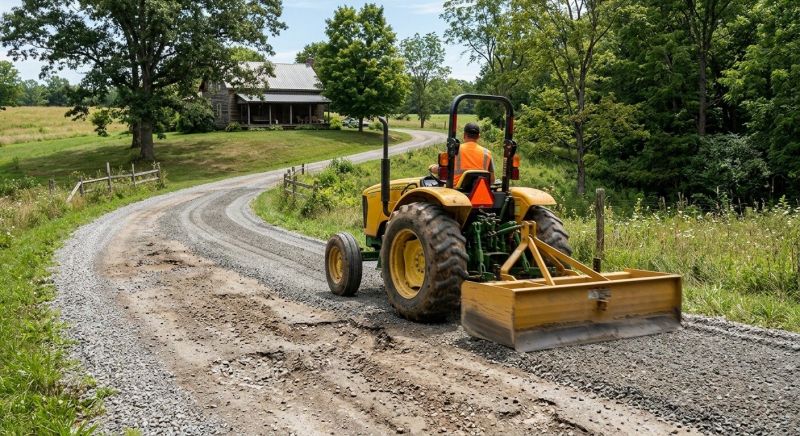
Cracks, uneven surfaces, and drainage issues are common indicators for driveway leveling.
Materials And Techniques Used
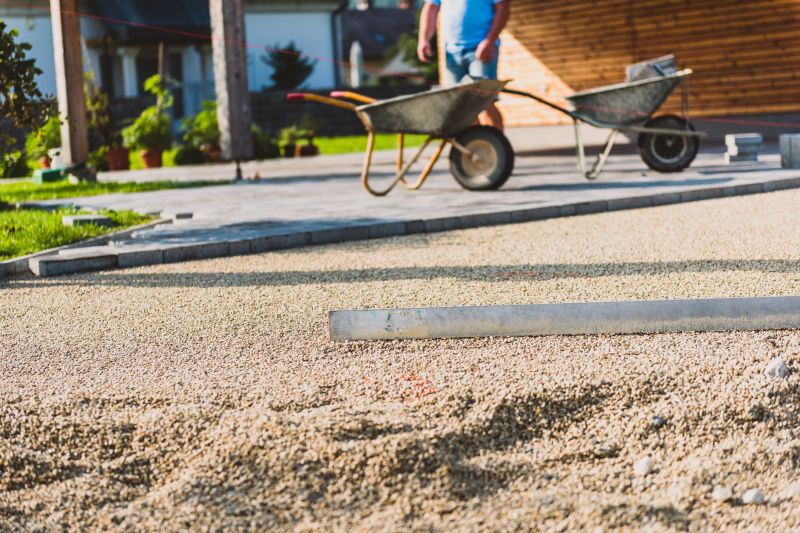
Driveway leveling often involves mudjacking or slab lifting to restore a smooth, even surface.
Driveway Leveling in Atlanta, GA

Driveway leveling services involve adjusting the surface of existing driveways to correct uneven or sloped areas, creating a safer and more functional space for vehicles and pedestrians. This process typically addresses issues such as cracks, dips, or heaving caused by soil settlement, freeze-thaw cycles, or poor initial installation. Projects can range from minor corrections to larger efforts that restore a driveway’s smoothness and structural integrity, helping property owners improve curb appeal and prevent further damage.
Homeowners interested in driveway leveling often want to understand the condition of their existing driveway, including the extent of unevenness and potential causes. It’s important to consider the type of driveway material, such as concrete or asphalt, as different surfaces may require specific techniques. Property owners should also be aware of any existing cracks or damage that might influence the leveling process, and inquire about the methods used to ensure a long-lasting result.
Many property owners in Atlanta, GA look into Driveway Leveling for repairs, replacements, upgrades, and appearance-related improvements.
Common Driveway Leveling Jobs
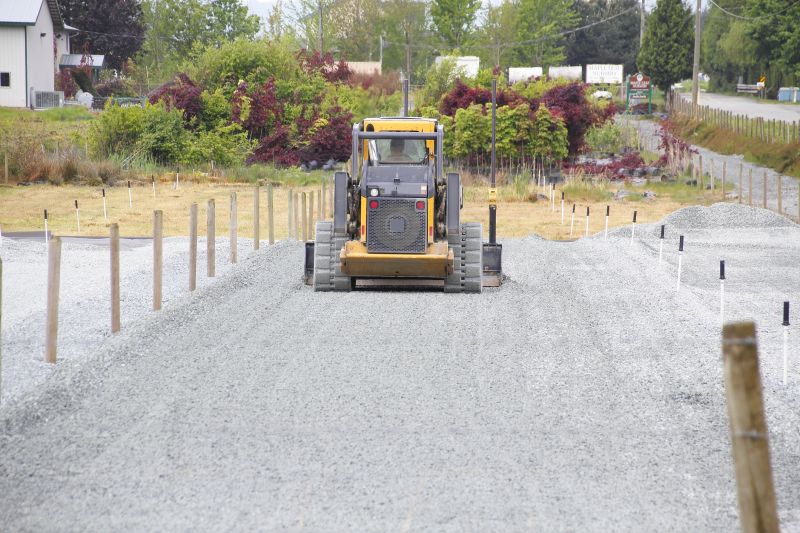
Driveway leveling involves correcting uneven surfaces to create a smooth, safe driving area.
Cracked or settled driveways can be raised and leveled to restore their appearance and functionality.
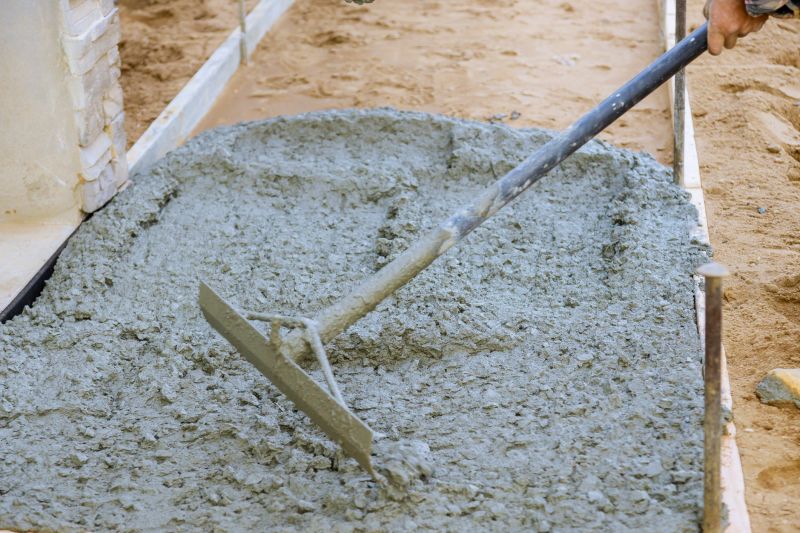
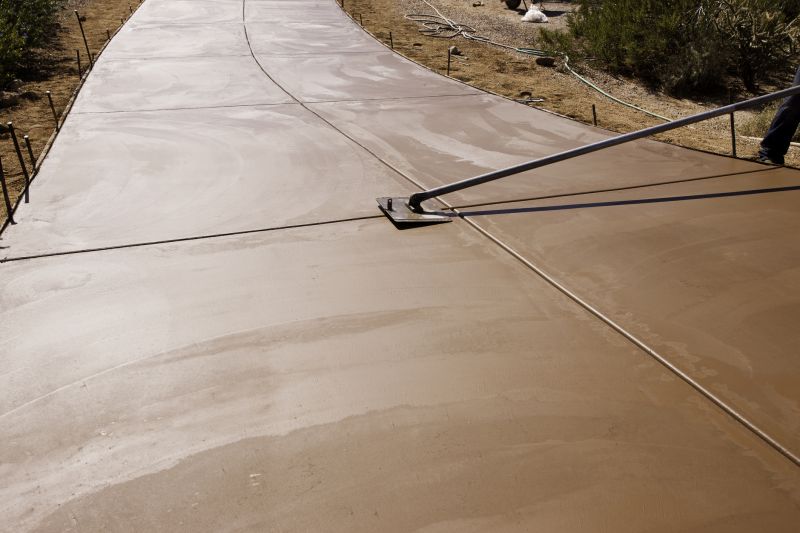
Newly poured concrete may need to be leveled to ensure proper drainage and durability.
Existing driveways with dips or slopes can be adjusted to improve safety and prevent water pooling.
Driveway repair includes addressing uneven spots caused by soil movement or settling.
Surface leveling helps maintain the driveway’s longevity and enhances curb appeal.
Driveway Leveling Questions
What causes driveway unevenness? Driveway unevenness can result from soil settling, tree roots, or repeated freeze-thaw cycles that shift the surface over time.
How does driveway leveling improve property value? Leveling restores a smooth surface, enhancing curb appeal and preventing damage that could lead to costly repairs.
Is driveway leveling suitable for all types of driveways? It is effective for concrete, asphalt, and other common driveway materials experiencing settling or cracking.
What are common signs that a driveway needs leveling? Visible cracks, pooling water, and noticeable dips or uneven areas indicate a need for driveway leveling services.
Request Driveway Leveling in Atlanta, GA
Use the quote form on this page to share the basics of your project and request more information for the type of work you need.